

The forts of Guadeloupe: reminders of a turbulent past
Published on 9 June 2018
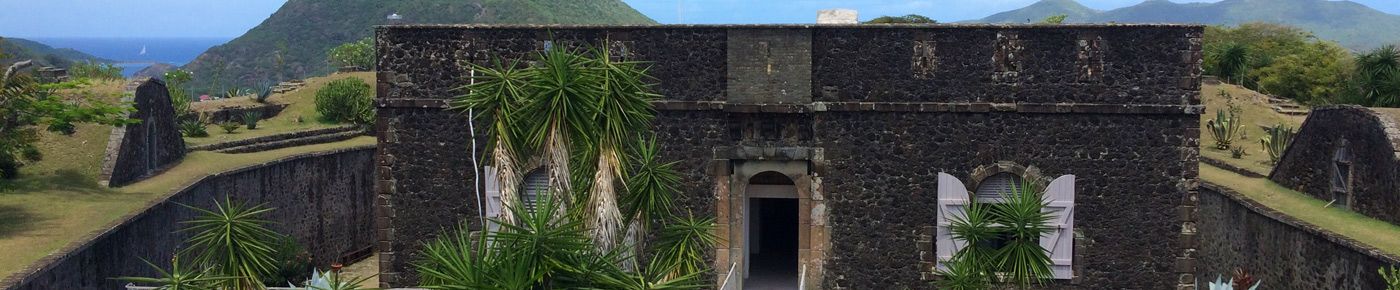
Guadeloupe is an island that conjures up images of a dream destination, with fine sandy beaches and sunshine all year round. But it is not just about these picture-postcard scenes: it also has a rich and eventful history, and some of its buildings still bear witness to this today.
The price of success
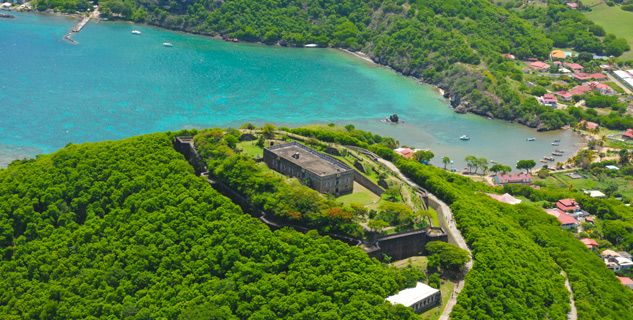
Discovered by Christopher Columbus in 1493, originally inhabited by the indigenous Carib people, and subsequently ruled by France from 1635 onwards, Guadeloupe developed a plantation-based economy reliant on slave labour. Attempts at invasion by the English led to the construction of fortresses in the 17th and 18th centuries.
Witnesses to history
Fort Delgrès – Basse-Terre
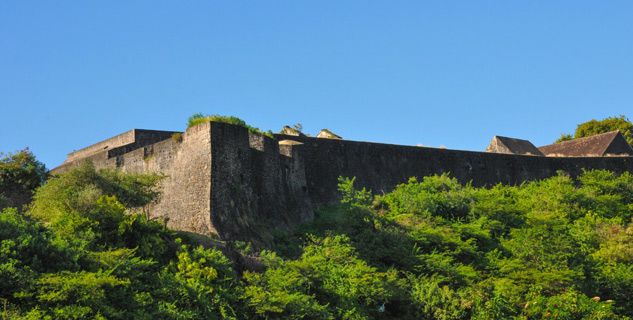
Built in 1650, it is the oldest fortified building on the island. Originally named Fort Saint-Charles, it was renamed Fort-Royal in 1759 and was the scene of fierce fighting. Today, it houses a free history museum.
Fort Napoléon – Les Saintes
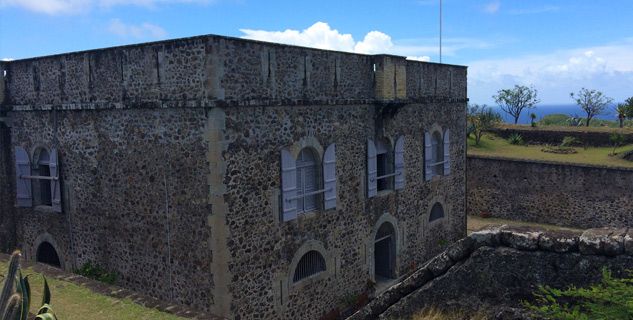
Built in 1867 on the summit of Morne Mirne (114 m above sea level), it replaced the destroyed Fort Louis. Converted into a museum in 1973, it now features a botanical garden and a 360° view.
Fort Fleur d'Épée – Gosier
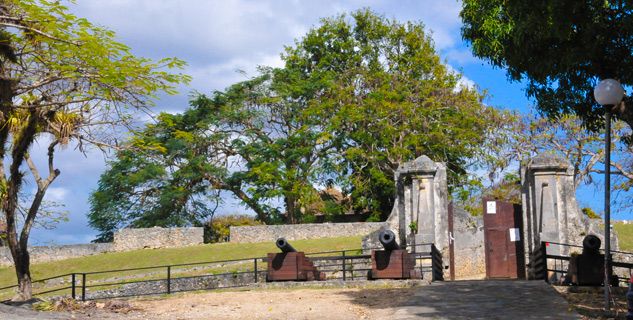
Built at the end of the 18th century, it is the largest fortification on Grande-Terre. It features a moat and a drawbridge. Listed as a historic monument in 1979, its underground galleries now host exhibitions.