
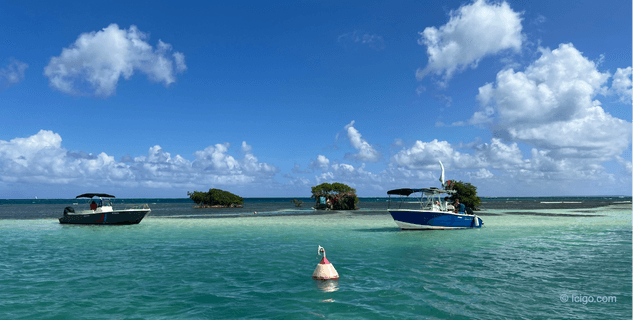
Grand-Cul-de-Sac-Marin: a one-day guide to the heart of Guadeloupe’s largest lagoon
Published on 31 October 2025
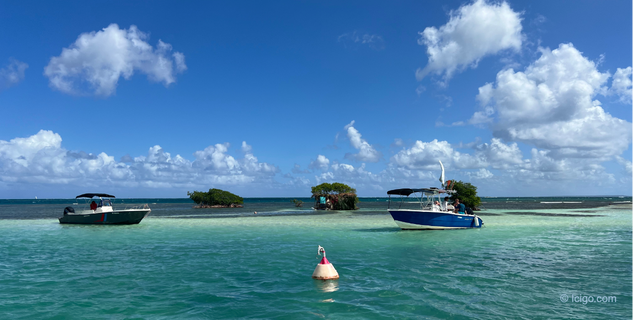
A vast lagoon covering more than 15,000 hectares stretches between Basse-Terre and Grande-Terre, protected by the longest coral reef in the Lesser Antilles. An ideal destination for a nature break.
An exceptional open-air ecosystem
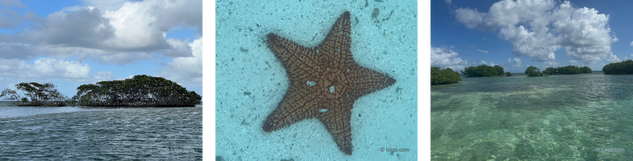
Designated a biosphere reserve by UNESCO, the lagoon is underpinned by a mangrove ecosystem that plays a vital role. The eelgrass beds provide a habitat for green turtles, whilst the coral reef protects the entire area. Herons, frigatebirds, egrets and pelicans can be seen here, amidst a peaceful atmosphere.
The islets of the lagoon: pearls of sand and coral
Îlet Caret captivates visitors with its dazzling white sandbank. Îlet Fajou is a nature reserve dedicated to seabirds. Îlets La Biche and Christophe offer quieter alternatives — places of environmental fragility that deserve to be respected.
Exploring the lagoon: a thousand ways to experience it
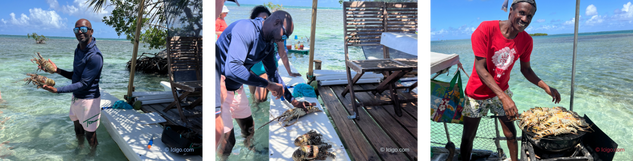
- Speedboat or catamaran: departures from Baie-Mahault or Sainte-Rose, all-inclusive packages
- Mangrove kayaking: a quiet exploration amongst the root systems, suitable for families, with calm, shallow waters ideal for beginners
- Glass-bottomed boat: departures from Petit-Canal, with views of coral reefs, tropical fish and giant starfish — a family-friendly option
- Boat hire without a licence: floating jetties in Port-Louis, for independent exploration, picnics and swimming
- Parasailing: departing from Port-Louis, panoramic aerial view of the north coast and the coral reef
A shelter whatever the weather
Naturally sheltered from swells and currents, the lagoon offers safe sailing all year round — a true ‘all-season’ lagoon.
Practical advice
Access points: Sainte-Rose, Baie-Mahault, Petit-Canal, Port-Louis. Suitable all year round, with the best light in the morning or late afternoon.
- Hat
- Biodegradable sun cream or UV-protective T-shirt
- Swimsuit
- Waterproof camera
- Diving mask and snorkel
Environmental guidelines: please do not walk on the coral, pick up your rubbish, and do not feed the fish.
In summary
The Grand-Cul-de-Sac Marin is a living ecosystem, a haven for biodiversity and a place for gentle adventure, accessible to all ages.